Coastal and Marine Environments
Dubai - UAE
Floating Farm Cells
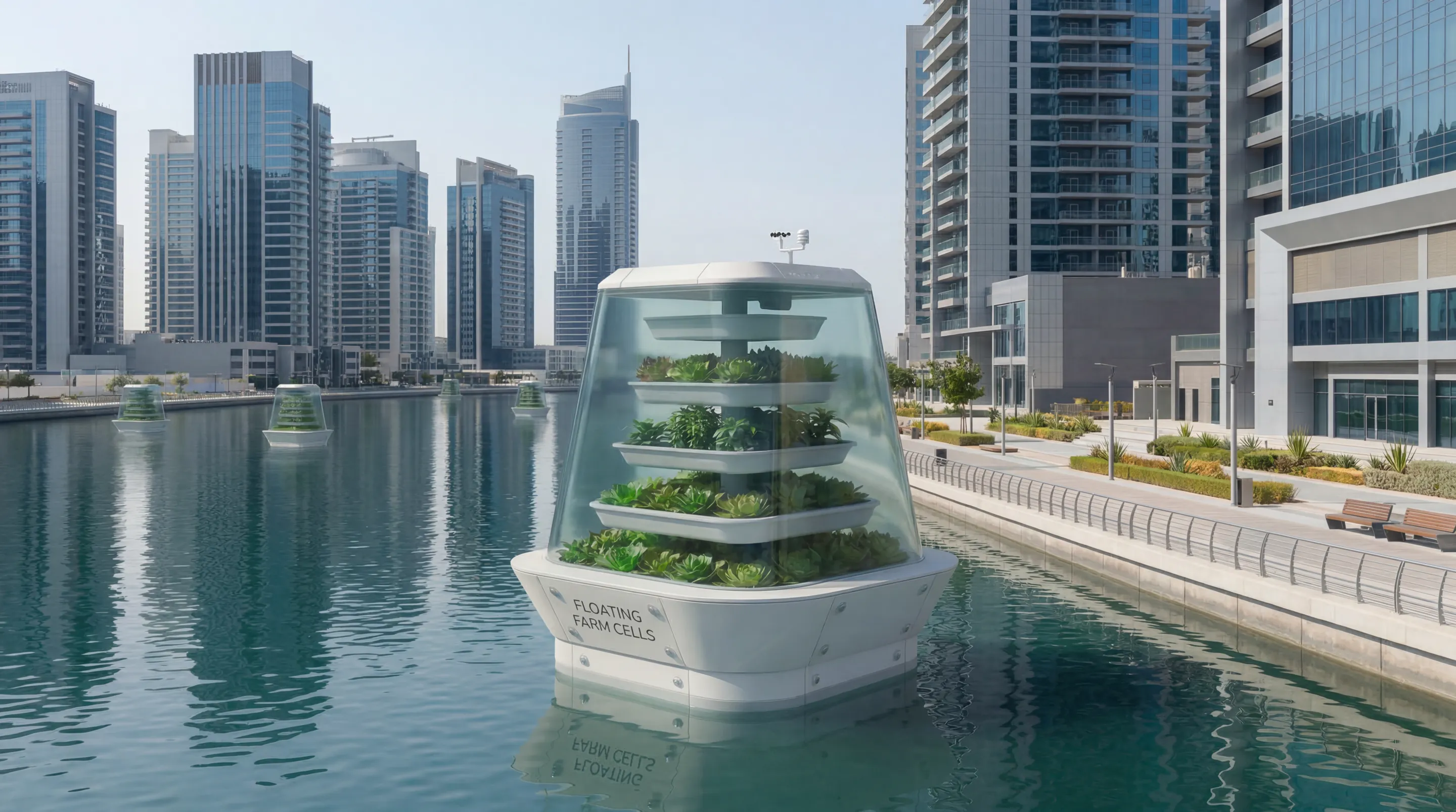
Floating Farm Cells (FFC) are a modular floating agricultural system developed as a research and development initiative by Aquatic Architects. The concept introduces recyclable, self-sustained, and digitally integrated floating platforms designed to support agricultural production directly on water bodies.
Location
Coastal and Marine Environments (Global Deployment Concept)
Client
Research & Development Initiative — Aquatic Architects
Status
Concept Development / Research Project
Category
Foating Agricultural Infrastructure including: Modular Floating Farming Platforms Hydroponic Agriculture Systems Marine-Based Food Production Renewable Energy Integration Circular Waste-to-Resource Systems
Floating Farm Cells aim to redefine food production by bringing agriculture onto water surfaces through modular floating systems that operate independently while forming a scalable network. The project envisions a future where food production, environmental resilience, and marine infrastructure converge to create sustainable agricultural ecosystems in coastal cities.
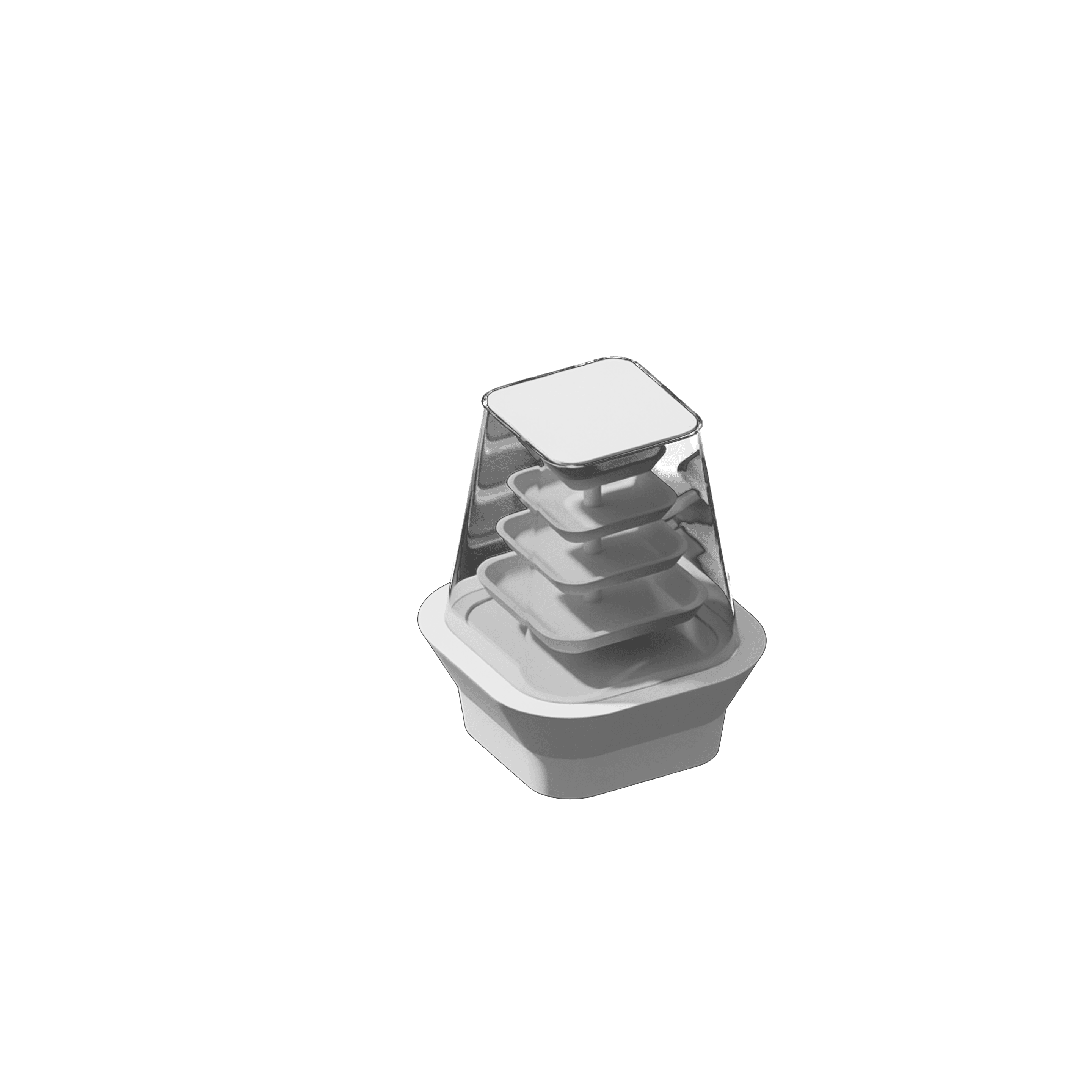
By utilizing water bodies instead of land, the concept supports global food demand while reducing pressure on freshwater resources, farmland, and energy infrastructure. Floating Farm Cells represent a vision for resilient, adaptable agriculture that integrates renewable energy, waste recycling, and marine technology to support future urban populations.
Sustainability Strategy
Reusing and repurposing plastic waste to construct floating agricultural platforms.
Converting food waste into agricultural nutrients to support circular food production systems.
Reducing dependency on freshwater resources by utilizing seawater and renewable water sources.
Supporting local food production to reduce transportation emissions and supply chain pressure.
Integrating renewable energy systems to power farming infrastructure and reduce grid dependency.
Minimizing environmental impact through self-sustaining floating ecosystems.
Encouraging circular economy practices by transforming waste streams into productive resources.
Supporting marine ecosystem preservation by reducing land-based agricultural expansion.

Self-Sufficient Marine Living
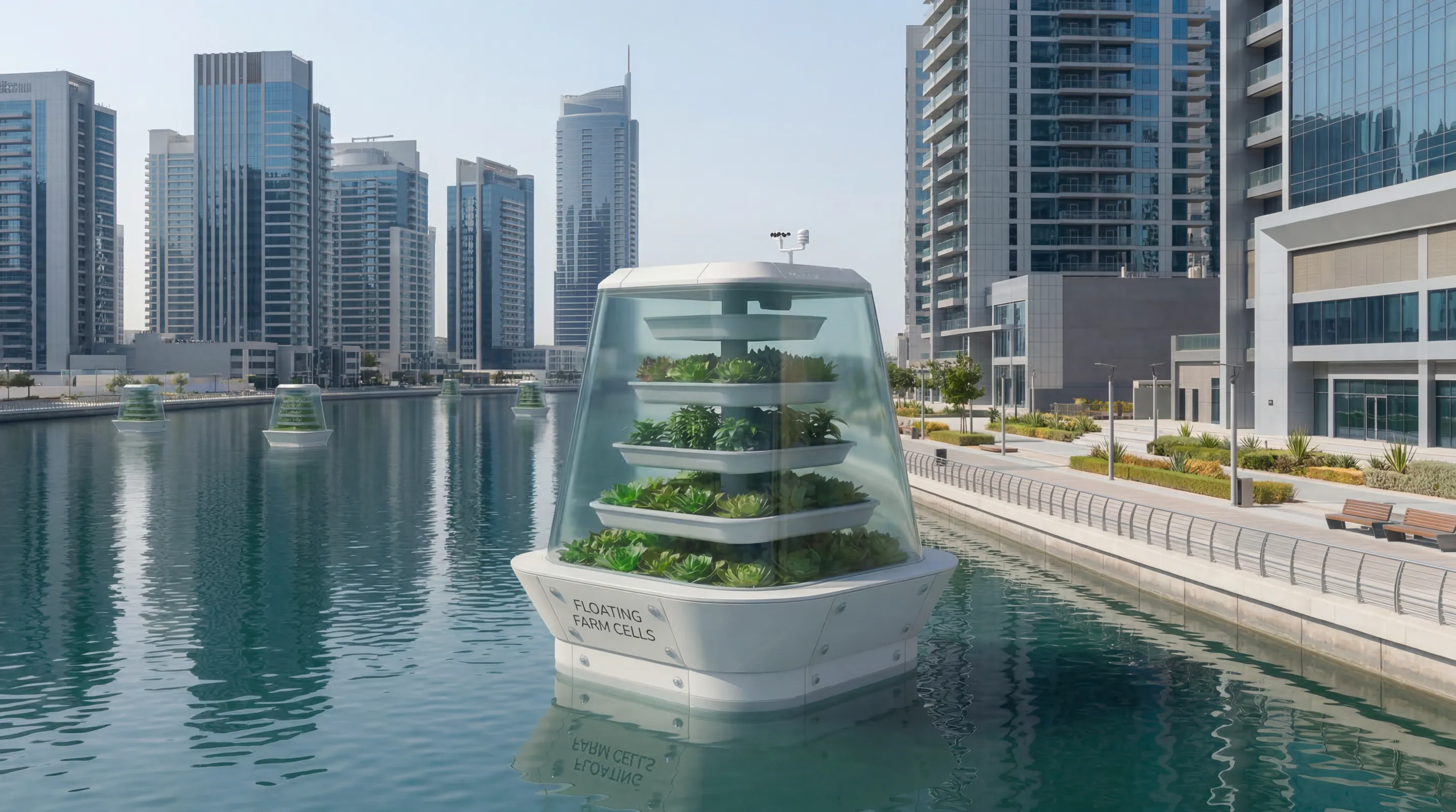
Autonomous and semi-autonomous marine systems integrating energy, water, and operational resilience.